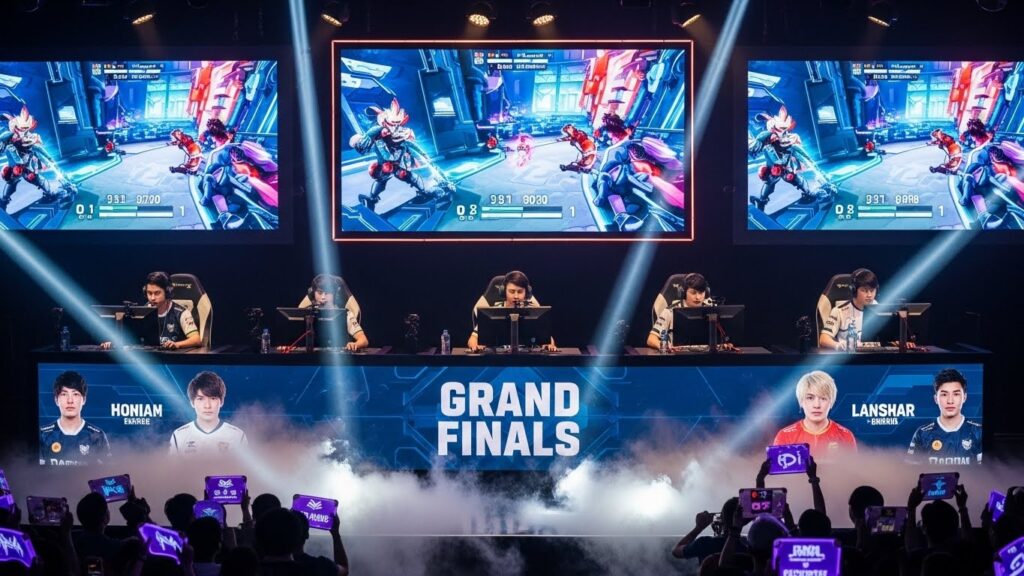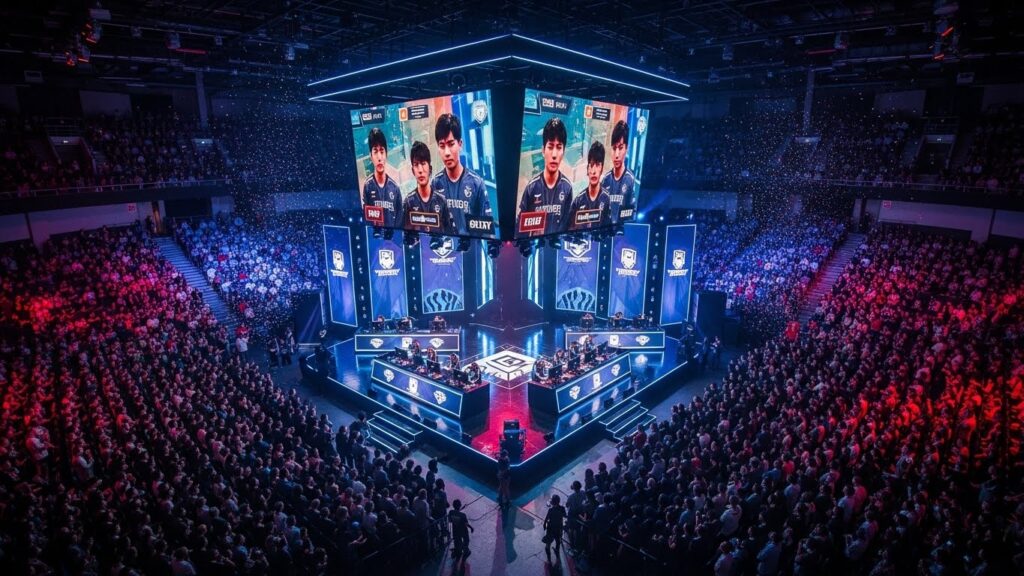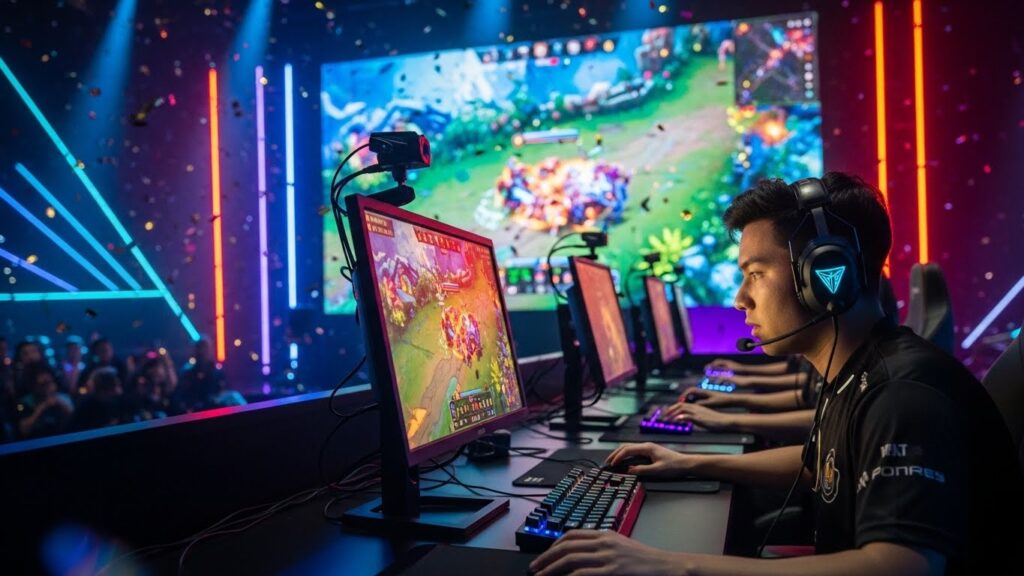
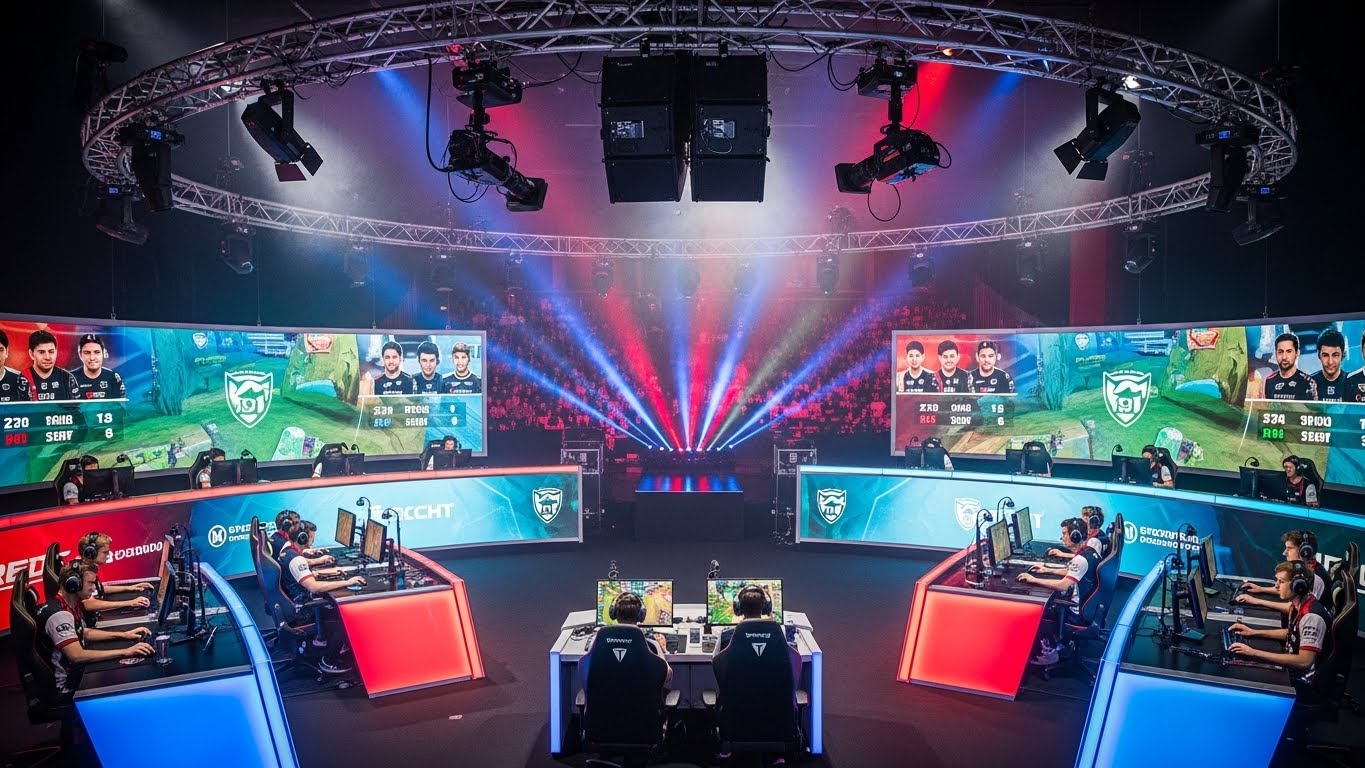
Esports, or electronic sports, has rapidly transformed from a niche hobby into a global phenomenon. What was once seen as casual gaming in a teenager’s basement has evolved into a professional industry with millions of viewers, multi-million-dollar tournaments, and professional athletes. The rise of esports reflects the growing influence of digital culture and the way technology reshapes entertainment, competition, and even career paths. This blog explores the evolution, impact, and future of esports.
Understanding Esports
Esports refers to competitive video gaming, where individuals or teams compete in various games, often at professional levels. Unlike casual gaming, esports involves structured competitions with organized rules, sponsors, and official tournaments. Players specialize in games like League of Legends, Dota 2, Counter-Strike: Global Offensive, Fortnite, and Overwatch, among others.
Unlike traditional sports, esports relies heavily on skill, strategy, and reflexes in a virtual environment. Success in esports is measured by in-game performance, teamwork, and the ability to perform under high-pressure scenarios. With the advent of live streaming platforms, esports has become accessible to a global audience, enabling fans to watch, interact, and support their favorite players.
The History of Esports
The origins of competitive gaming can be traced back to the late 1970s and 1980s when arcade games began gaining popularity. Early competitions were small-scale events, often held in arcades, and offered modest prizes. One of the first notable events was the Space Invaders Championship in 1980, which attracted thousands of participants across the United States.
The 1990s saw the rise of PC gaming and LAN (Local Area Network) tournaments. Games like StarCraft and Quake became competitive staples, attracting dedicated communities and fostering a sense of camaraderie among players. The 2000s introduced online multiplayer games, expanding esports beyond physical locations. The emergence of live streaming platforms further accelerated the growth, allowing millions to watch tournaments in real time.
Today, esports is a billion-dollar industry, with professional leagues, sponsorship deals, merchandise, and dedicated training facilities. Countries around the world recognize esports as a legitimate profession, and some universities even offer esports scholarships.
Popular Esports Games
Different games define various genres within esports, each with its unique competitive scene. Multiplayer online battle arena (MOBA) games like League of Legends and Dota 2 focus on teamwork, strategy, and map control. First-person shooters (FPS) such as Counter-Strike: Global Offensive and Call of Duty emphasize precision, reflexes, and tactical coordination. Battle royale games like Fortnite require adaptability and survival skills, while sports simulation games such as FIFA bring traditional sports into the digital realm.
Each game has its professional league, tournaments, and ranking system. Players spend countless hours mastering mechanics, learning strategies, and coordinating with teammates. The competitive nature of these games has led to a high level of skill, rivaling traditional sports in dedication and training intensity.
The Role of Streaming Platforms
Streaming platforms like Twitch, YouTube Gaming, and Facebook Gaming play a crucial role in esports’ popularity. These platforms allow fans to watch live matches, follow players’ careers, and interact through chat features. Streamers can also share tips, tutorials, and behind-the-scenes content, creating a strong community around esports.
The accessibility of streaming has democratized esports viewership. Fans no longer need to attend tournaments physically; they can watch from anywhere in the world. This has also allowed players from smaller regions to gain recognition and compete internationally. Streaming has become a key revenue source for both players and organizers, through subscriptions, donations, and advertising.
Economic Impact of Esports
Esports has emerged as a lucrative industry. Tournaments now feature prize pools reaching millions of dollars, while professional teams secure sponsorships from global brands. Companies ranging from technology firms to beverage and apparel brands invest heavily in esports, recognizing its appeal to a younger, tech-savvy demographic.
In addition to prize money, esports generates revenue through ticket sales, merchandise, broadcasting rights, and online advertisements. Universities and educational institutions are recognizing the economic potential of esports by offering courses, scholarships, and degrees related to game development, management, and competitive play.
Esports as a Career
The professionalization of esports has created numerous career opportunities beyond playing. Players can become coaches, analysts, content creators, or commentators. Organizations hire managers, marketers, and event planners to handle team operations and tournaments. This expansion mirrors the traditional sports industry, where not everyone is an athlete, but every role contributes to the ecosystem.
Professional esports players train rigorously, often dedicating 8 to 12 hours daily to practice, strategy development, and physical fitness. Unlike traditional sports, esports also requires a high level of mental agility, focus, and adaptability to constantly evolving games and strategies.
Challenges in Esports
Despite its rapid growth, esports faces significant challenges. Player burnout and mental health concerns are prominent due to long hours of practice and intense competition. Maintaining physical health is also critical, as extended gaming can lead to issues like repetitive strain injuries, poor posture, and vision problems.
Additionally, the esports industry struggles with regulation, fair play, and ethical concerns. Cheating, hacking, and doping remain issues that require stringent monitoring. Gender disparity and representation are also areas that need attention, as women and minority players often face barriers to entry and recognition.
Social Impact of Esports
Esports has a significant social impact by fostering global communities. Fans and players connect across borders, sharing strategies, experiences, and cultural perspectives. Esports also promotes teamwork, problem-solving, and digital literacy among players and spectators alike.
Moreover, esports has changed how society perceives gaming. Once stigmatized as a waste of time, gaming is now recognized as a legitimate skill-based activity, offering scholarships, career paths, and entrepreneurial opportunities. This shift in perception has broader implications for education, entertainment, and workforce development.
The Future of Esports
The future of esports looks promising, driven by technology, innovation, and expanding audiences. Virtual reality (VR) and augmented reality (AR) are expected to create more immersive gaming experiences. Artificial intelligence could enhance training, analytics, and match prediction, providing players with advanced strategies.
Esports may also become more integrated with traditional sports, creating hybrid competitions and cross-industry collaborations. With the rise of mobile gaming, esports will continue to reach wider audiences, including regions where PC or console gaming is less accessible.
Furthermore, governments and organizations are beginning to invest in esports infrastructure, viewing it as a tool for youth engagement, tourism, and economic development. The professionalization of esports will continue, with improved standards, regulations, and recognition worldwide.
Conclusion
Esports has transformed the landscape of competitive gaming, offering exciting opportunities for players, fans, and businesses. From humble beginnings in arcades to massive stadiums and online platforms, esports has proven that digital competition can be as thrilling and respected as traditional sports. As technology continues to advance and audiences grow, esports is poised to redefine entertainment, career pathways, and social interaction in the 21st century.
The journey of esports demonstrates more than just the evolution of gaming—it highlights human ingenuity, global connectivity, and the unrelenting pursuit of excellence in a virtual arena. Whether you are a player, fan, or entrepreneur, esports offers a dynamic space where passion meets opportunity, and the future of competition continues to evolve at the speed of technology.